Billions of people around the world rely on the ocean for food, income and cultural identity. But climate change, overfishing and habitat destruction are unraveling ocean ecosystems.
Climate benefits from establishing marine protected areas targeted at blue carbon solutions
Marine protected areas (MPAs) are recognized as highly effective tools for marine conservation. They may also play an important role in mitigating climate change. A variety of climate change solutions are rooted in the ocean, centered primarily around “blue carbon” and the capacity of marine life to sequester carbon dioxide (CO2) with some potential to reduce emissions. However, the global potential of these solutions remains misunderstood and untapped.
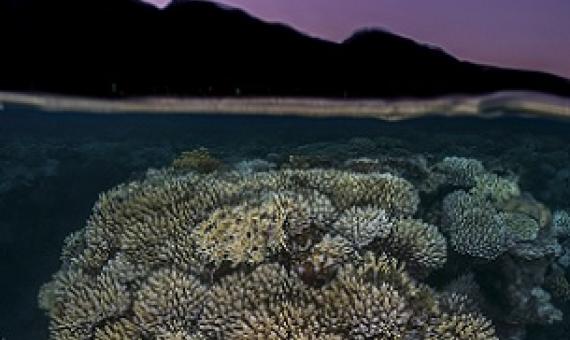
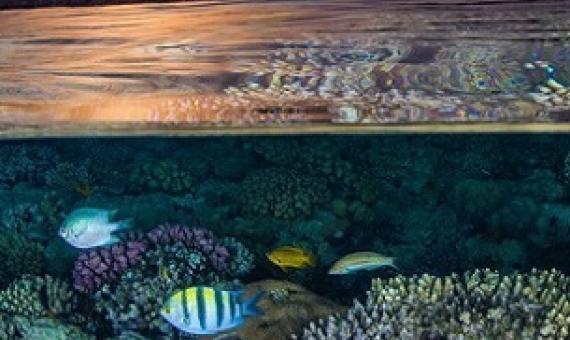
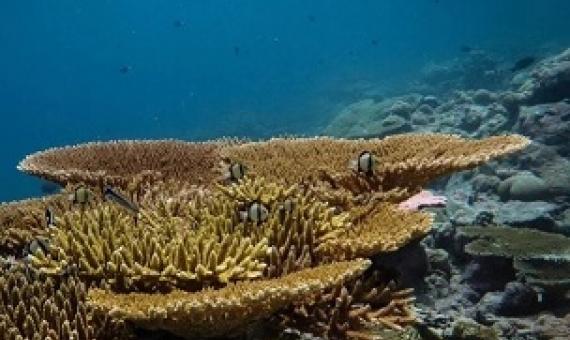
With the growing severity of marine heatwaves, mass coral bleaching and mortality have become widespread. A new study led by researchers at Florida Tech recommends multinational networks of protected reefs as the best chance corals have to persist through climate change.
Protected areas—such as nature reserves, national parks, and wilderness areas—are essential to conserving biodiversity. New research published in Environmental Research Letters provides insights for developing climate-smart conservation strategies.
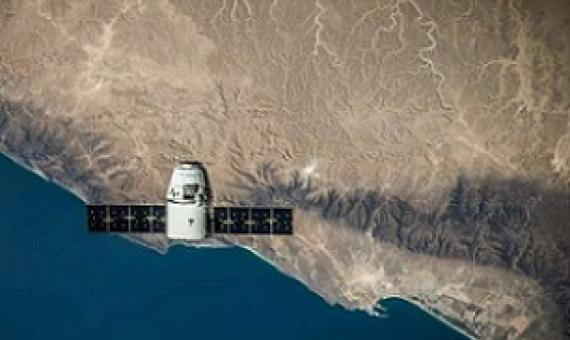
A natural habitat's ability to withstand and recover from damage can be empirically monitored from space—and the method may prove important during upcoming decades of climate and land-use change.
The world’s best-known coral reefs could be extinct by the end of the century unless we do more to make them resilient to our warming oceans. That’s the stark message from UNESCO, which is behind an emergency bid to protect these natural marine wonders, 29 of which are on the agency’s p
Half of the planet’s non-human species are already on the move in response to climate change impacts on temperature, precipitation or the movement of other species...Traditional forms of species conservation have focused on well-defined, immovable boundaries to create national park
A new study performed has shown that coral reefs present in remote or protected regions can rapidly recover following mass coral bleaching events...To gain better insight into the effects of climate change on reef functions, the researchers analyzed around 12 reefs in the remote Chagos Islands in
Earlier this month, the Intergovernmental Report on Climate Change (IPCC) Working Group II (WGII) released a report that consisted of the impacts, adaptation and vulnerability. This report has shown that with all these climate crises, women are at the very forefront of climate change and it
Climate Change, Coral Reef Ecosystems, and Management Options for Marine Protected Areas
Marine protected areas (MPAs) provide place-based management of marine ecosystems through various degrees and types of protective actions. Habitats such as coral reefs are especially susceptible to degradation resulting from climate change, as evidenced by mass bleaching events over the past two decades. Marine ecosystems are being altered by direct effects of climate change including ocean warming, ocean acidification, rising sea level, changing circulation patterns, increasing severity of storms, and changing freshwater influxes.