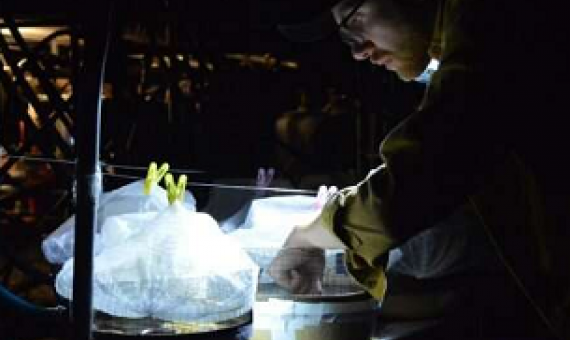
Predator species may buffer the negative impacts of climate change by mitigating against the loss of biodiversity, according to new research led by scientists in Trinity College Dublin and Hokkaido University.
Predator species may buffer the negative impacts of climate change by mitigating against the loss of biodiversity, according to new research led by scientists in Trinity College Dublin and Hokkaido University.
Oceanic islands harbour a disproportionately high number of endemic and threatened species. Rapidly growing human populations and tourism are posing an increasing threat to island biota, yet the ecological consequences of these human land uses on small oceanic island systems have not been quantified. Here, we investigated and compared the impact of tourism and urban island development on ground-associated invertebrate biodiversity and habitat composition on oceanic islands.
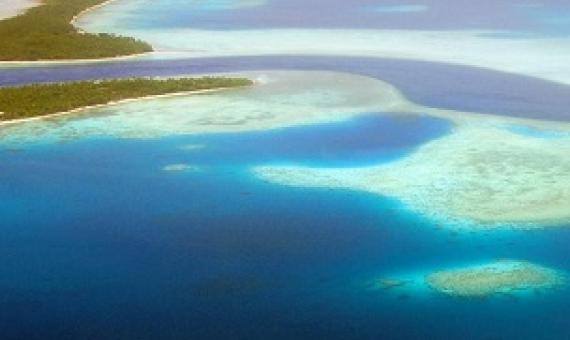
We are facing global biodiversity and climate crises. It is estimated that one million species are threatened with extinction, with the drivers of biodiversity loss due to the direct or indirect results of unsustainable human action.
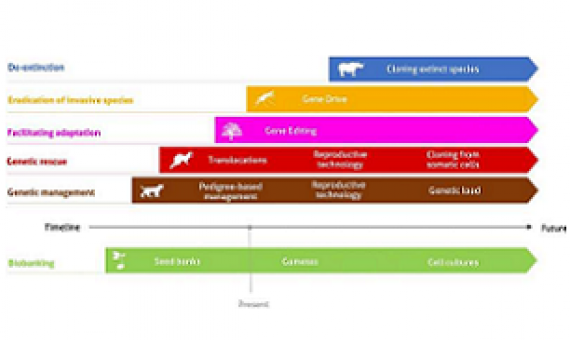
More investment and support for research into emerging genomic tools for conservation is needed to prevent further biodiversity loss, according to a new paper published in Conversation Genetics.
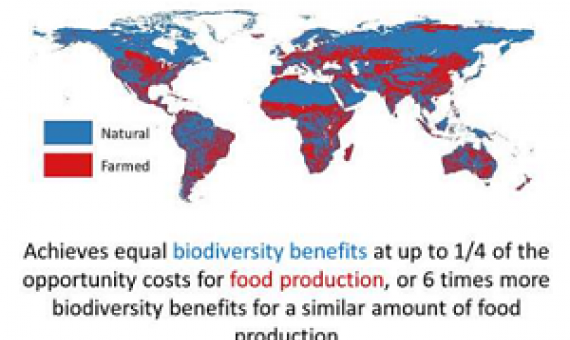
Crop and livestock production are among the main drivers of biodiversity loss globally. Due to the ever-increasing demand of land for food production, reverting global biodiversity decline and feeding the world is one of the greatest challenges of our time.
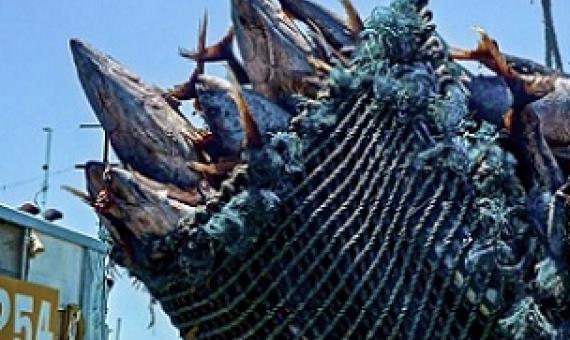
The benefits of sustainably managed wild fisheries, which support food and nutritional security, livelihoods, and cultures, are being undermined by government payments that incentivise overcapacity and lead to overfishing, biodiversity degradation and loss, and CO2 emissions, the scientists argue
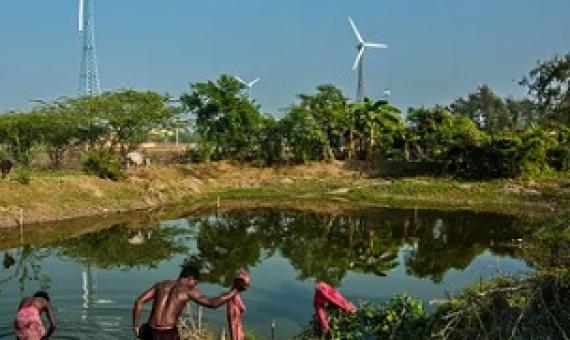
Nearly two years after the first reported case of Covid-19, the world is still facing the repercussions. At the same time, the extent of our planetary emergency – of climate crisis, biodiversity loss and inequality – has become evident.
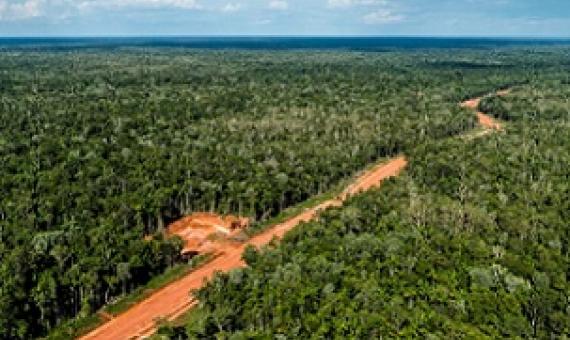
...according to a study based on satellite imagery and maps from local governments that was published last month in Biological Conservation.
The impacts of human-induced environmental change that characterize the Anthropocene are not felt equally across the globe. In the tropics, the potential for the sudden collapse of ecosystems in response to multiple interacting pressures has been of increasing concern in ecological and conservation research. The tropical ecosystems of Papua New Guinea are areas of diverse rainforest flora and fauna, inhabited by human populations that are equally diverse, both culturally and linguistically.
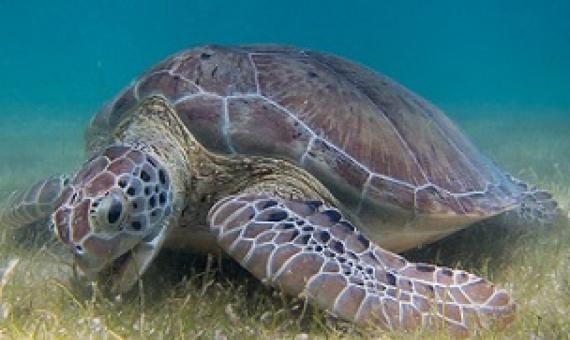
Humanity is quickly crossing critical planetary boundaries that threaten sea turtle populations, their ecosystems and, ultimately, the “safe operating space” for human existence.