
Humanity needs to discover a "new mindset for our survival" as the world exits the pandemic only to face the looming dual crises of climate change and nature loss, renowned conservationist Jane Goodall said Thursday.
Humanity needs to discover a "new mindset for our survival" as the world exits the pandemic only to face the looming dual crises of climate change and nature loss, renowned conservationist Jane Goodall said Thursday.

Projects that manage, protect and restore ecosystems are widely viewed as win–win strategies for addressing two of this century’s biggest global challenges: climate change and biodiversity loss.
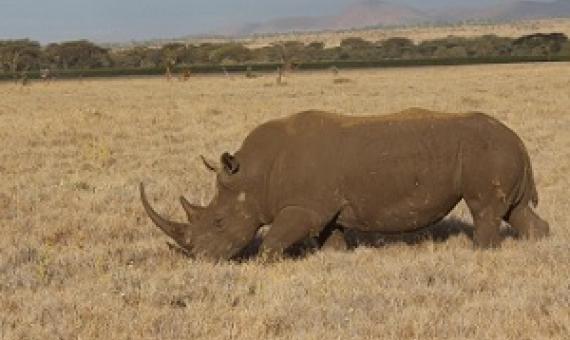
New research examining the major causes of the world's biodiversity loss calls for an urgent and profound re-organisation of the global post-pandemic economy to prevent further planetary harm.

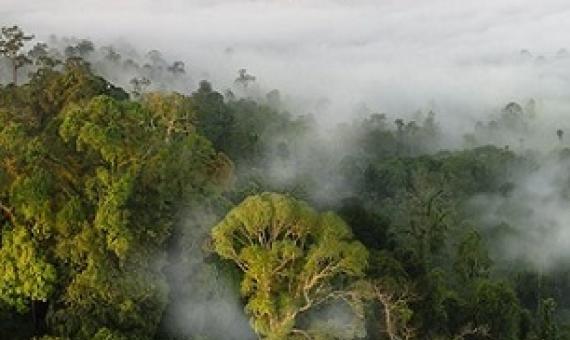
Tropical cloud forests exist in 60 countries but account for less than a half of 1% of all land mass on Earth. Yet they are home to 15% of the world’s known species, researchers estimate.

Elon Musk’s recent announcement that he will donate $100 million to whomever develops the most promising technologies to remove carbon dioxide from the atmosphere is both exciting and depressing. Exciting because such incentives could galvanize new innovation.
Many conservation managers, policy makers, businesses and local communities cannot access the biodiversity data they need for informed decision-making on natural resource management. A handful of databases are used to monitor indicators against global biodiversity goals but there is no openly available consolidated list of global data sets to help managers, especially those in high-biodiversity countries. We therefore conducted an inventory of global databases of potential use in monitoring biodiversity states, pressures and conservation responses at multiple levels.
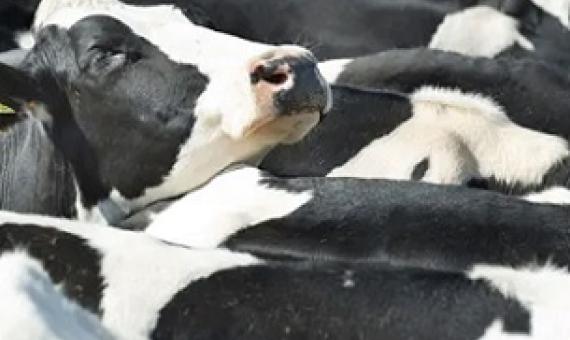
The global food system is the biggest driver of destruction of the natural world, and a shift to predominantly plant-based diets is crucial in halting the damage, according to a report.
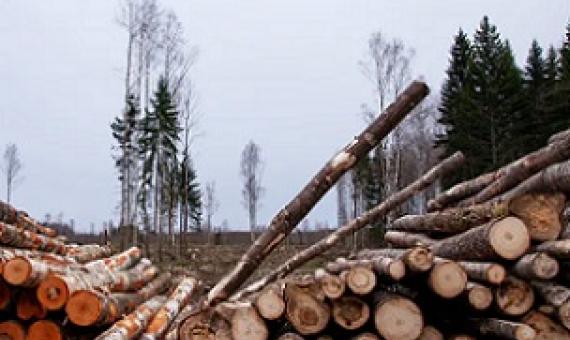
For many businesses, climate change is an existential threat. Extreme weather can disrupt operations and supply chains, spelling disaster for both small vendors and global corporations. It also leaves investment firms dangerously exposed.
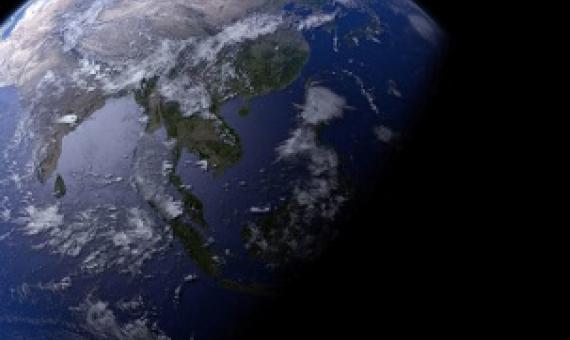
A group of the world’s top ecologists have issued a stark warning about the snowballing crisis caused by climate change, population growth, and unchecked development. Their assessment is grim, but big-picture societal changes on a global scale can still avert a disastrous future.
Nature loss is accelerating at an unprecedented rate with 1 million species facing extinction.