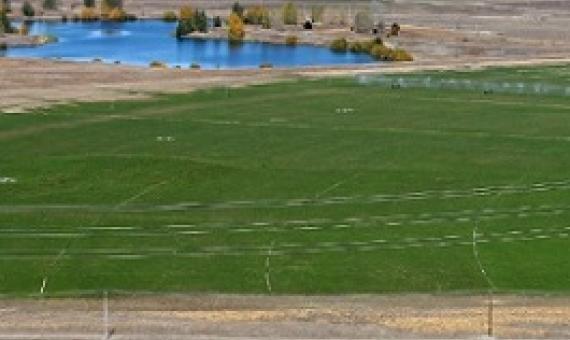
Forest & Bird is welcoming new protected areas as a starting point for improving protection of the Mackenzie Basin, but lamenting the vast areas which remain unprotected.
Forest & Bird is welcoming new protected areas as a starting point for improving protection of the Mackenzie Basin, but lamenting the vast areas which remain unprotected.
Countries are facing a pressing, complex and interlinked set of environmental crises. While significant government resources and capacities need to focus on managing the social and economic consequences brought on by efforts to manage the COVID-19 pandemic crisis, the global environmental challenges of climate change and biodiversity loss remain urgent. Recent major international reports (e.g.
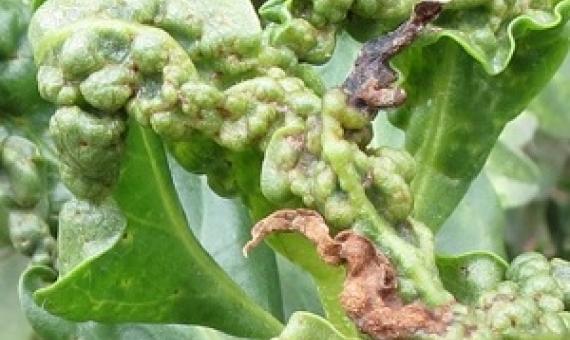
An increase of 20 to 30 percent of invasive alien species will lead to dramatic future biodiversity loss worldwide by 2050.

As the COVID-19 pandemic rages on across the globe, the linkages between ecosystem degradation and the loss of biodiversity, and the emergence of infectious diseases, was discussed during the final session in the Secretariat of the Pacific Regional Environment Programme’s (SPREP) webinar series “
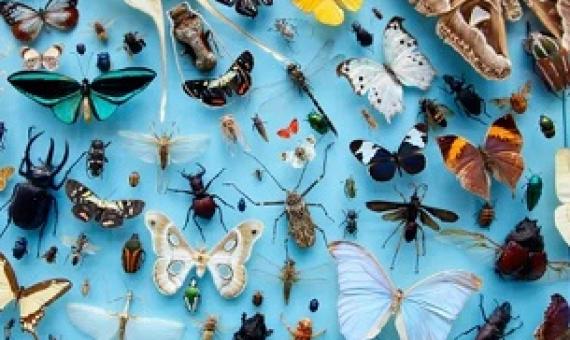
A plan to create the first universally recognised list of species on Earth has prompted hopes of an end to centuries of disagreement and confusion over how to classify the world’s library of life...Researchers hope a single recognised list would improve global efforts to tackle biodiversity loss,
Strict targets are urgently needed to reduce biodiversity loss in nine sectors where the financial sector is exposed through loans, investments or underwriting activities, according to a report by The United Nations Environment Programme and the Natural Capital Finance Alliance...Banks, investors
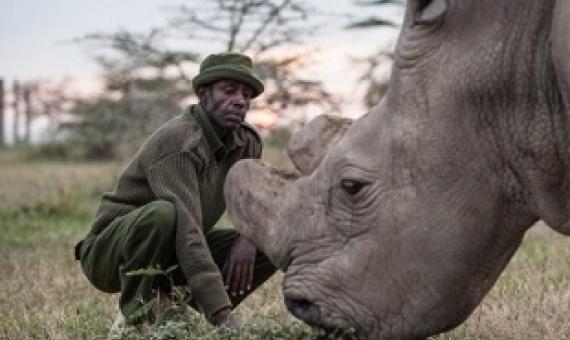
Next year, all eyes will be on Kunming, China, as talks resume on a new set of global goals to protect biodiversity. These are much needed, because most of the existing 20 targets, which were set in 2010 in Aichi, Japan, have failed to make an impact on the rate of biodiversity loss.
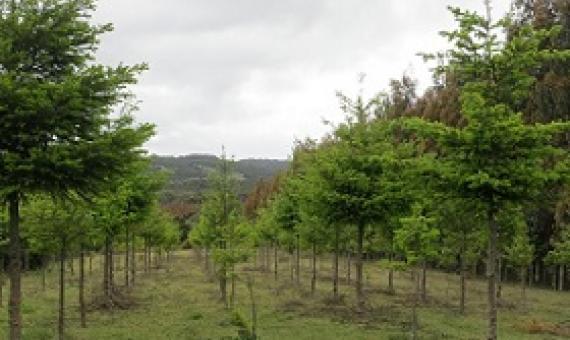
Campaigns to plant huge numbers of trees could backfire, according to a new study that is the first to rigorously analyze the potential effects of subsidies in such schemes.
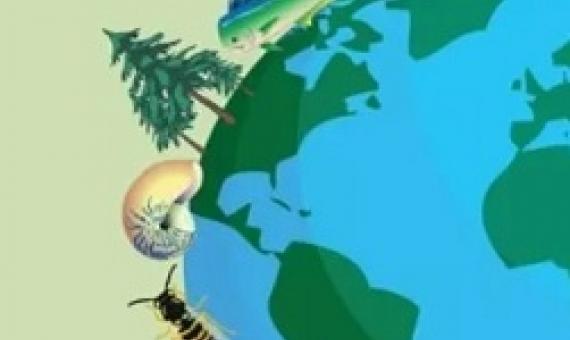
Recent lockdown has taught us the importance of biodiversity. It has proved that we may live without luxury but cannot live without basic need. Our nature has everything for us but in spite of that we are destroying our nature.
Increasing evidence—synthesized in this paper—shows that economic growth contributes to biodiversity loss via greater resource consumption and higher emissions. Nonetheless, a review of international biodiversity and sustainability policies shows that the majority advocate economic growth. Since improvements in resource use efficiency have so far not allowed for absolute global reductions in resource use and pollution, we question the support for economic growth in these policies, where inadequate attention is paid to the question of how growth can be decoupled from biodiversity loss.