The ReNature project is proud to announce the release of an interactive online toolkit designed to guide experts and non-experts in the implementation of nature-based solutions.
The ReNature project is proud to announce the release of an interactive online toolkit designed to guide experts and non-experts in the implementation of nature-based solutions.
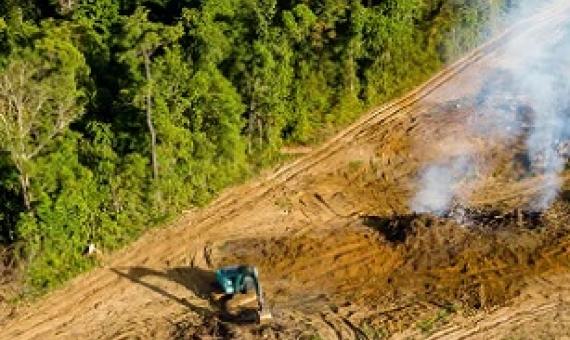
We all know action on climate change is urgently needed. But that doesn’t mean a forest should be razed to build a wind farm.
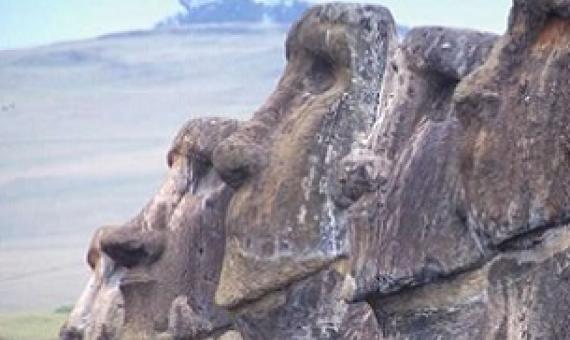
New research from Binghamton University, State University of New York suggests that the demographic collapse at the core of the Easter Island myth didn't really happen.
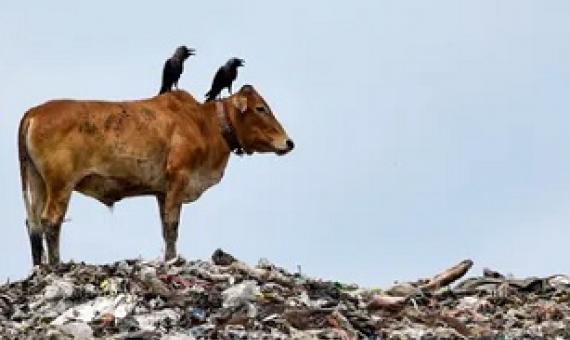
Eliminating plastic pollution, reducing pesticide use by two-thirds, halving the rate of invasive species introduction and eliminating $500bn (£360bn) of harmful environmental government subsidies a year are among the targets in a new draft of a Paris-style UN agreement on biodiversity loss.
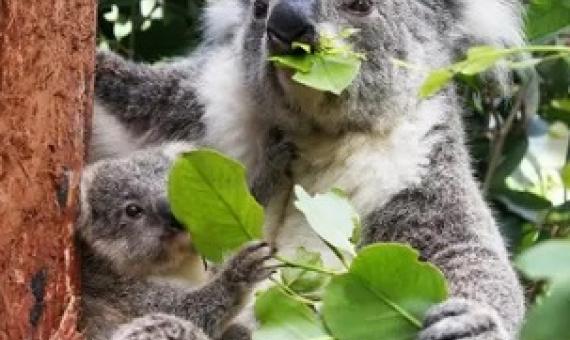
Corporate Australia is familiar with the concept that climate change presents a financial risk to the global economy, but more recently biodiversity loss has emerged as an equally important risk.

QUT researchers have developed a new machine learning mathematical system that helps to identify and detect changes in biodiversity, including land clearing, when satellite imagery is obstructed by clouds.
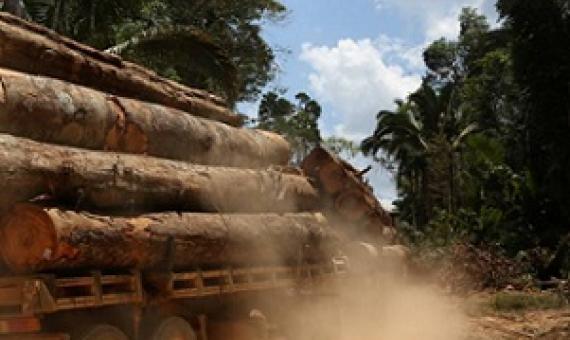
Raising huge new sums of "nature" finance to better protect the planet's ailing biodiversity will have no significant impact unless the underlying economic rules now driving environmental losses are shifted, economists warned on Tuesday.
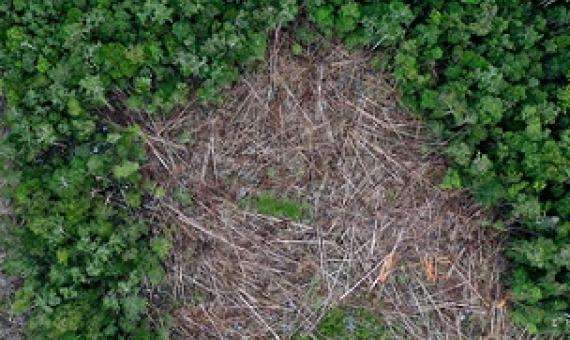
The world is at a crossroads, as humanity tries to mitigate climate change and halt biodiversity loss, while still securing a supply of food for everyone.
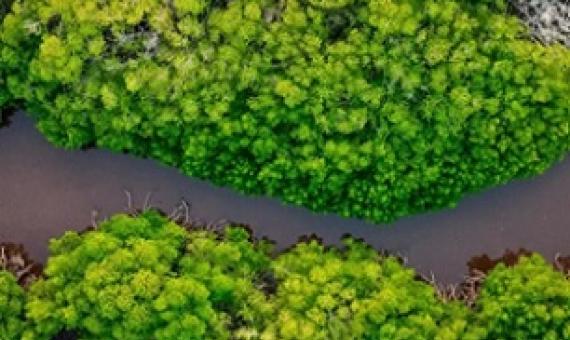
The underlying drivers of climate change and biodiversity loss are different, though the line between policy to mitigate climate change and biodiversity loss is not always so distinct.
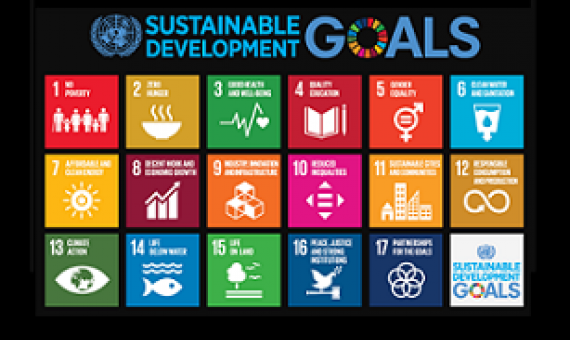
Countries are on track to miss the Sustainable Development Goals (SDGs) relating to environmental protection, two UN entities warn in new report issued on Saturday to coincide with the International Day for Biological Diversity. Despite making progress in areas such as cl