...while the Blue Pacific has led and made the strong moral case for action on climate, this progress is at risk of unravelling if we do not also step up to the related crisis of nature loss. Our islands and history are closely intertwined with the ocean and its biodiversity.
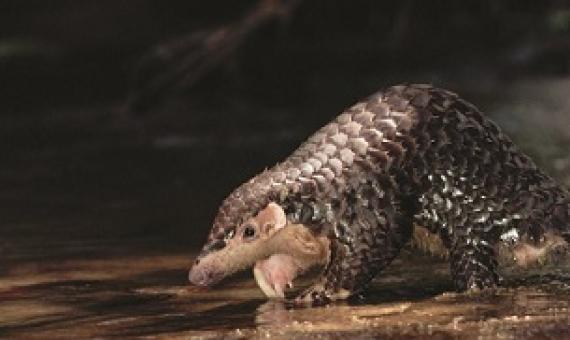
Trafficking in wild animal and plant products is driving species to extinction, but some researchers think restrictions only spur demand and make things worse...There’s no disagreement among researchers that the wildlife trade is a major contributor to the loss of biodiversity worldwide.
In an article published in the peer-reviewed scientific journal, Wiley Interdisciplinary Reviews (WIREs) Water, the 13 experts say that while plastic waste is an issue, its prominence in the general public's concern for the environment is overshadowing greater threats, for exam
Area-based conservation in the twenty-first century
Humanity will soon define a new era for nature—one that seeks to transform decades of underwhelming responses to the global biodiversity crisis. Area-based conservation efforts, which include both protected areas and other effective area-based conservation measures, are likely to extend and diversify. However, persistent shortfalls in ecological representation and management effectiveness diminish the potential role of area-based conservation in stemming biodiversity loss.
The fifth edition of the UN’s Global Biodiversity Outlook report...provides an overview of the state of nature worldwide. Factors like man’s current relationship with nature, continued biodiversity loss and the ongoing degradation of ecosystems are having profound consequences for human well
Protected areas are considered the most important tool for curbing the ongoing biodiversity loss, but a lack of field data hampers efforts to measure how effective they are in practice.
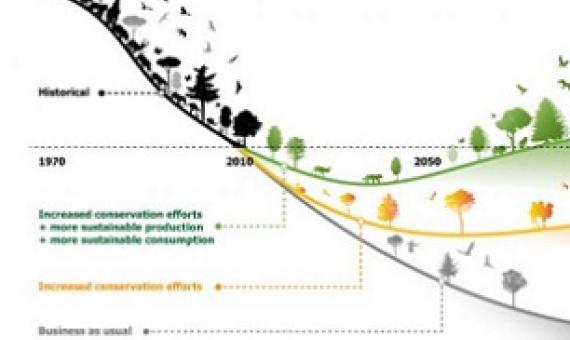
Countries are set to miss all of the targets they set themselves a decade ago to preserve nature and save Earth's vital biodiversity, the United Nations said Tuesday. Humanity's impact on the natural world over the last five decades has been nothing short of cataclysmic: since 1970
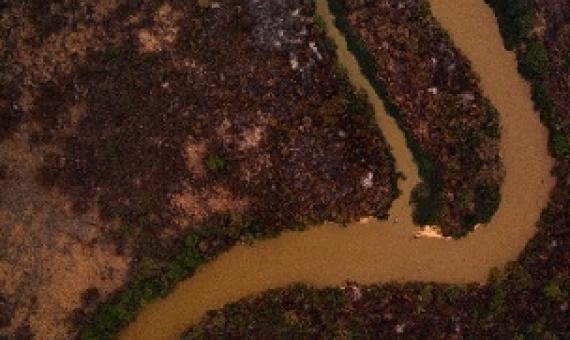
The smell of burnt vegetation and the red glow of flames welcome visitors these days to the Pantanal, the world's biggest tropical wetlands—a biodiverse paradise that is now partly reduced to ashes by record wildfires...The Pantanal sits at the southern edge of the Amazon rainforest, stretching f
Cost-effective priorities for the expansion of global terrestrial protected areas: Setting post-2020 global and national targets
Biodiversity loss is a social and ecological emergency, and calls have been made for the global expansion of protected areas (PAs) to tackle this crisis. It is unclear, however, where best to locate new PAs to protect biodiversity cost-effectively. To answer this question, we conducted a spatial meta-analysis by overlaying seven global biodiversity templates to identify conservation priority zones. These are then combined with low human impact areas to identify cost-effective zones (CEZs) for PA designation.
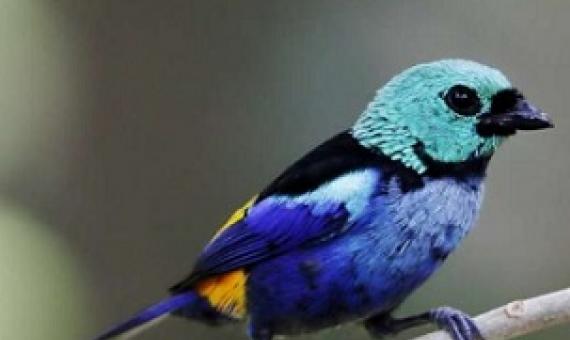
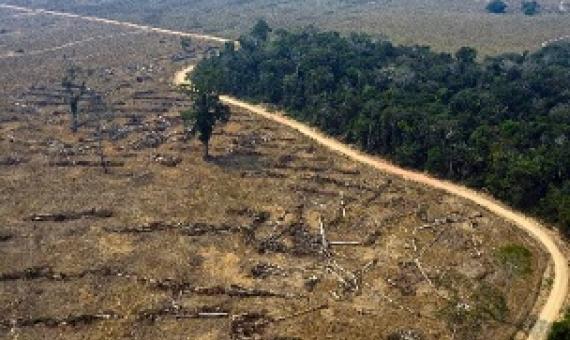
Plant and animal species across the world are steadily disappearing due to human activity.